
Have you ever finished mulching your garden beds, stepped back feeling accomplished, and then noticed weeds sneaking through just days later? It’s a frustrating situation many homeowners across coastal South Carolina and Georgia know too well. One small mistake with material choice or application depth can make mulch feel more like wasted effort than a solution.
This guide breaks that cycle. You’ll learn how mulch in garden beds is meant to work, which materials perform best in different parts of your yard, and how to apply mulch properly so it controls weeds, protects plants, and improves curb appeal over time. Keep reading to learn how to do it right the first time.
Benefits of Mulching
Mulch isn’t just decorative. When applied correctly, it plays an active role in plant health and long-term maintenance. The benefits below explain why proper mulching matters.
Weed Suppression
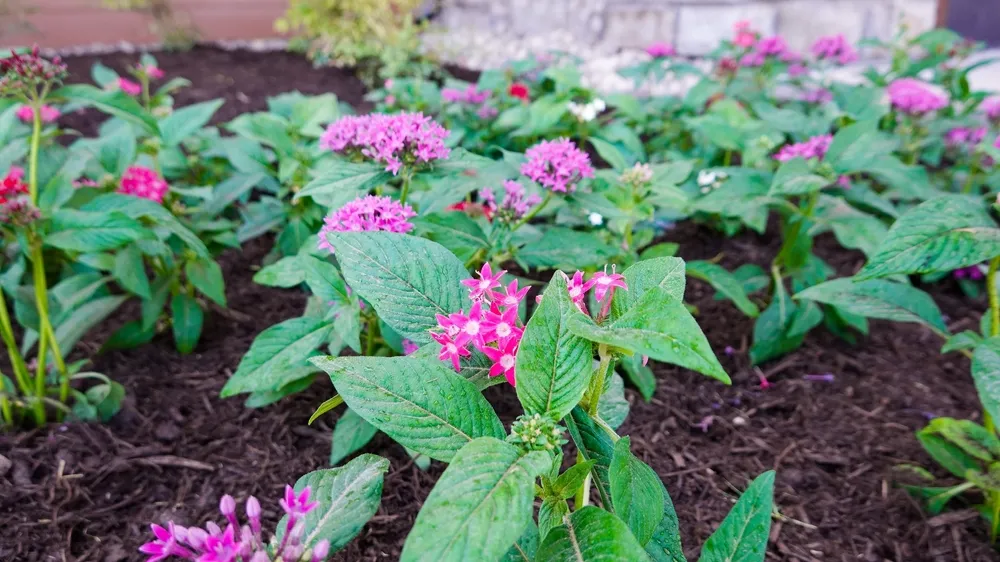
A consistent mulch layer blocks sunlight from reaching weed seeds, stopping germination before it starts. Maintaining a 2–3-inch depth creates a reliable barrier that significantly reduces hand-pulling and the need for chemical treatments.
Moisture Retention
Mulch slows evaporation, helping soil retain moisture during hot, windy Lowcountry summers. This allows roots to stay hydrated longer, supports deeper growth, and reduces the frequency of watering.
Temperature Regulation
By insulating the soil surface, mulch shields roots from extreme heat and sudden cold snaps. This stability minimizes stress, prevents soil heaving, and helps plants grow on a more predictable schedule.
Types of Mulch Comparison
Not all mulch performs the same job. The right choice depends on your plants, layout, and maintenance goals. Below is a practical breakdown of the most common options.
Organic Mulches
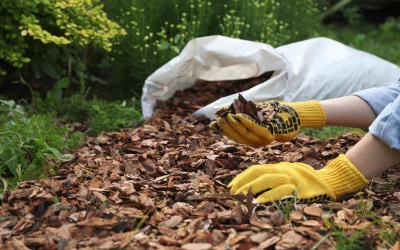
Organic mulches break down over time, improving soil structure and fertility. Shredded hardwood and pine bark are popular for ornamental beds and pathways because they stay in place and decompose slowly. If you like a longer-lasting natural look, cedar mulch can be a strong option for both appearance and durability. Pine straw works well around acid-loving plants. For edible gardens, straw and compost are common mulch options for vegetable garden areas since they’re easy to turn back into the soil.
Inorganic Mulches
Inorganic materials don’t decompose, making them a longer-term solution. Stone and gravel are often used in landscaping with mulch and stone, especially in modern designs or around succulents. Rubber mulch for landscaping is frequently used in play areas because it cushions falls and doesn’t fade. However, it doesn’t contribute nutrients to the soil.
Special-Use Choices
Some areas need targeted solutions. Front yard rock mulch creates a clean, low-water look in high-visibility spaces. Sloped areas benefit from mulch on hill applications using interlocking materials, while mulch for hillside installations often pairs shredded wood with netting to control erosion. Selecting the right plants for mulch beds, such as low-growing ground covers, also helps stabilize material and soften transitions.
Proper Application Technique
Even high-quality mulch won’t perform if it’s installed incorrectly. Most problems come from excess depth or direct contact with plant stems.
One of the most common mistakes is the “mulch volcano,” where material is piled against trunks or stems. This traps moisture, encourages rot, and invites pests. Mulch should be spread evenly, leaving several inches of space around the base of each plant.
Depth is equally important. Less than two inches won’t stop weeds, while more than four inches can restrict airflow to roots. Aim for a consistent 2–3 inch layer. If you’re dealing with dense soil, it’s helpful to match your product to the ground conditions, and our guide on mulch for clay soil can help you avoid waterlogging and compaction.
Seasonal Maintenance and Replenishment
Mulch needs light upkeep to stay effective. Weather, microbes, and foot traffic slowly reduce depth and performance, so periodic checks are important. If you’re ever unsure about timing, replacing mulch at the right moment keeps beds looking sharp and prevents weeds from taking advantage of thinning coverage.
- Spring: Loosen compacted mulch and top off thin spots.
- Early summer: Spot-check for weeds and add a fresh inch if needed.
- Fall: Clear fallen leaves and make sure irrigation lines aren’t buried.
- Winter: Inspect for bare soil and protect tender plants with light coverage.
Best Practices for Every Area of the Yard
Different parts of your yard have different demands. Matching mulch type to location improves both durability and appearance.
Flower Beds
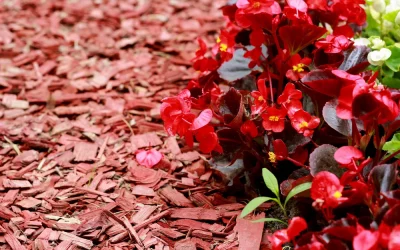
When mulching a flower bed, focus on contrast and soil enrichment. Dyed hardwood highlights foliage and blooms, while organic materials gradually improve soil beneath annuals and perennials.
Slopes and Embankments
Erosion is the main concern here. Coarser materials and shredded fibers lock together to reduce runoff. Adding netting improves stability on steep grades.
Walkways and Paths
The best mulch for garden paths creates a firm, mud-free surface. Crushed shell, gravel, or pine fines perform well when installed over a compacted base.
Vegetable Plots
Edible gardens benefit from fast-breaking organic materials. If you’re deciding what to use for mulch in vegetable garden rows, straw and leaf mold support soil life and are easy to work back into beds. For more specific guidance on material choices and performance in edible spaces, this resource on mulch for raised beds is a helpful reference.
Bella Mulch Helps You Get Garden Beds Right
At Bella Mulch, we focus on making mulch work the way it’s supposed to. From selecting the right material to installing it with precision, we help homeowners across Bluffton, Beaufort, Savannah, and surrounding coastal areas get lasting results.
We handle planning, delivery, and installation, so questions like “Can you put mulch over rock?” or “How much material do you need?” are answered clearly and accurately, often with the help of our mulch calculator. When you’re ready to upgrade your beds without the heavy lifting, our mulch installation services make it easy to get clean coverage, consistent depth, and a finish that looks intentional.