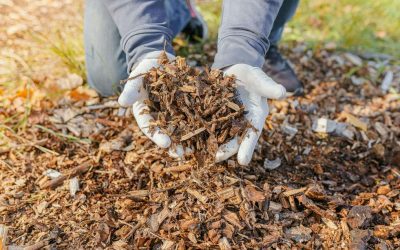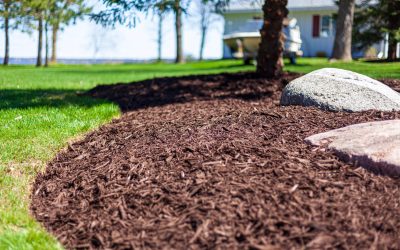


Fresh mulch can instantly upgrade your yard. Beds look sharper, weeds seem under control, and everything feels more finished. But if you’ve ever spread mulch only to see it wash away, clump up, or look uneven a week later, you know there’s more to it than dumping and raking.
If you’ve been searching for how to lay mulch the right way, this guide walks you through it step by step. You’ll also learn when it makes sense to handle it yourself, and when calling professional mulch installers can save you time and frustration.
Step 1: Start with a Clean Bed
Before you even think about spreading mulch, prep matters.
- Pull existing weeds (roots and all)
- Trim back overgrown plants
- Rake out debris like leaves and sticks
- Lightly loosen compacted soil
If you already have old mulch in place, check the depth. If it’s heavily compacted or thicker than 3–4 inches, it may be time to remove some before adding more. Too much buildup can trap moisture and limit airflow to plant roots. Good prep is the foundation of proper mulch installation.
Step 2: Define and Edge Your Beds
One detail that separates average jobs from professional-looking ones is edge definition. Use a flat shovel or edging tool to create a crisp border between lawn and bed. This helps:
- Keep mulch in place
- Prevent grass from creeping in
- Create a clean, finished look
If your yard has slopes or areas prone to runoff, edging becomes even more important for stability.
Step 3: Apply the Right Depth
When learning how to lay mulch, depth is everything. For most landscape beds in South Carolina and Georgia:
- Aim for 2–3 inches of mulch
- Keep mulch a few inches away from plant stems
- Avoid piling mulch against tree trunks (no “mulch volcanoes”)
Too thin and weeds break through. Too thick and roots may struggle with airflow and excess moisture. Spread mulch evenly using a rake, then lightly fluff it for an even finish.
Step 4: Water and Settle
Once your mulch is in place, lightly water the area. This helps:
- Settle dust
- Reduce shifting
- Lock the mulch into place
This is especially helpful during dry spells when material may be lighter and more prone to movement.
Common DIY Mistakes to Avoid
Even if you know how to lay mulch, small mistakes can cause bigger issues later.
Avoid:
- Over-mulching year after year
- Skipping weed removal beforehand
- Installing on soggy soil
- Using uneven thickness
- Blocking irrigation heads
Taking a little extra time upfront prevents headaches later.
When DIY Makes Sense
Handling mulch yourself can work well if:
- The area is small
- You have access to proper tools
- You can manage lifting and spreading heavy material
- You enjoy hands-on yard work
For modest garden beds or touch-ups, DIY mulch installation is manageable with good preparation and attention to detail.
When to Call Mulch Installers
There are times when professional help is the smarter move. Consider hiring mulch installers if:
- You have large commercial or residential areas
- Your yard includes slopes or erosion-prone spots
- You need bulk delivery and precise spreading
- Time is limited
- You want a clean, uniform finish
Professional crews understand depth control, drainage considerations, and efficient installation techniques. They also eliminate the physical strain of moving and spreading heavy loads. Working with experienced mulch providers ensures you get quality material delivered on schedule, without multiple trips to the store.
Get a Professional Finish Without the Stress
A well-done mulch job protects your plants, improves moisture retention, and instantly sharpens curb appeal. Knowing how to lay mulch properly makes a noticeable difference in both performance and appearance.
If you’re ready to refresh your beds but would rather skip the heavy lifting, Bella Mulch makes it simple. You can order high-quality mulch online, calculate exactly how much you need, and have it delivered straight to your property at https://bellamulch.com/shop/.
Whether you handle the install yourself or work with trusted mulch installers, starting with quality mulch from reliable mulch providers is what sets the job apart.