
Walk through a landscaping supply yard and you’ll see quickly that there are many different types of mulch to choose from. Hardwood, pine bark, pine straw, dyed mulch, decorative stone—each option looks different and works a little differently in the landscape.
That variety raises practical questions when it’s time to refresh garden beds. How do you compare hardwood vs pine bark mulch? Is pine straw a better option in certain areas? And when color enters the picture, which mulch shade works best?
The truth is that no single mulch works for every landscape. Some materials improve soil as they break down, while others focus on durability and long-lasting coverage.
Understanding the major mulch categories—and their strengths—can help you decide what mulch is best for your yard.
First, What Are the Different Types of Mulch?
Most mulch falls into two broad categories: organic and inorganic. The main difference is whether the material naturally breaks down over time.
Organic mulch is made from natural materials like bark, wood chips, leaves, or pine needles. As it decomposes, it adds nutrients back into the soil.
Inorganic mulch is made from materials that don’t break down easily, such as rubber, gravel, or landscape fabric. These options are often used when long-term coverage or durability is the main goal.
Knowing the difference between these categories helps narrow down the different types of mulch that may work best in your landscape.
Organic Mulch: Natural and Soil-Friendly
Organic mulch remains the most common option for residential landscaping. It improves soil quality while helping garden beds retain moisture and limit weed growth.
Popular organic mulch materials include:
- Hardwood mulch
- Pine bark mulch
- Pine straw
- Cedar mulch
- Wood chips
These materials break down gradually, which adds nutrients to the soil and supports healthy plant growth.
Because organic mulch decomposes over time, most garden beds benefit from a fresh layer once a year.
Hardwood vs Pine Bark Mulch
A frequent comparison of homeowners research is hardwood vs pine bark mulch.
Hardwood mulch provides dense coverage and breaks down slowly, making it a reliable option for flower beds, shrubs, and general landscaping areas.
Pine bark mulch has a lighter texture and drains well. Many gardeners use it around trees or plants that benefit from improved airflow around the roots.
Both types perform well in landscape beds. In many cases, the decision comes down to appearance, soil conditions, and how quickly you want the mulch to break down.
Pine Straw vs Mulch
Many landscapes also use pine straw, which leads to another common question: is mulch or pine straw better?
Pine straw consists of fallen pine needles gathered and bundled for landscaping use. It spreads easily and creates a natural look around trees, shrubs, and woodland-style gardens.
Some homeowners prefer pine straw because it offers:
- Lightweight coverage
- Strong moisture retention
- A natural woodland appearance
However, pine straw decomposes faster than bark-based mulches and may require more frequent replacement. Hardwood and pine bark mulch typically last longer in landscape beds.
Black vs Brown Mulch
Mulch color can influence the entire look of a landscape bed. Two of the most common options are black and brown mulch.
Black mulch creates strong contrast with greenery and flowers, making plants stand out visually.
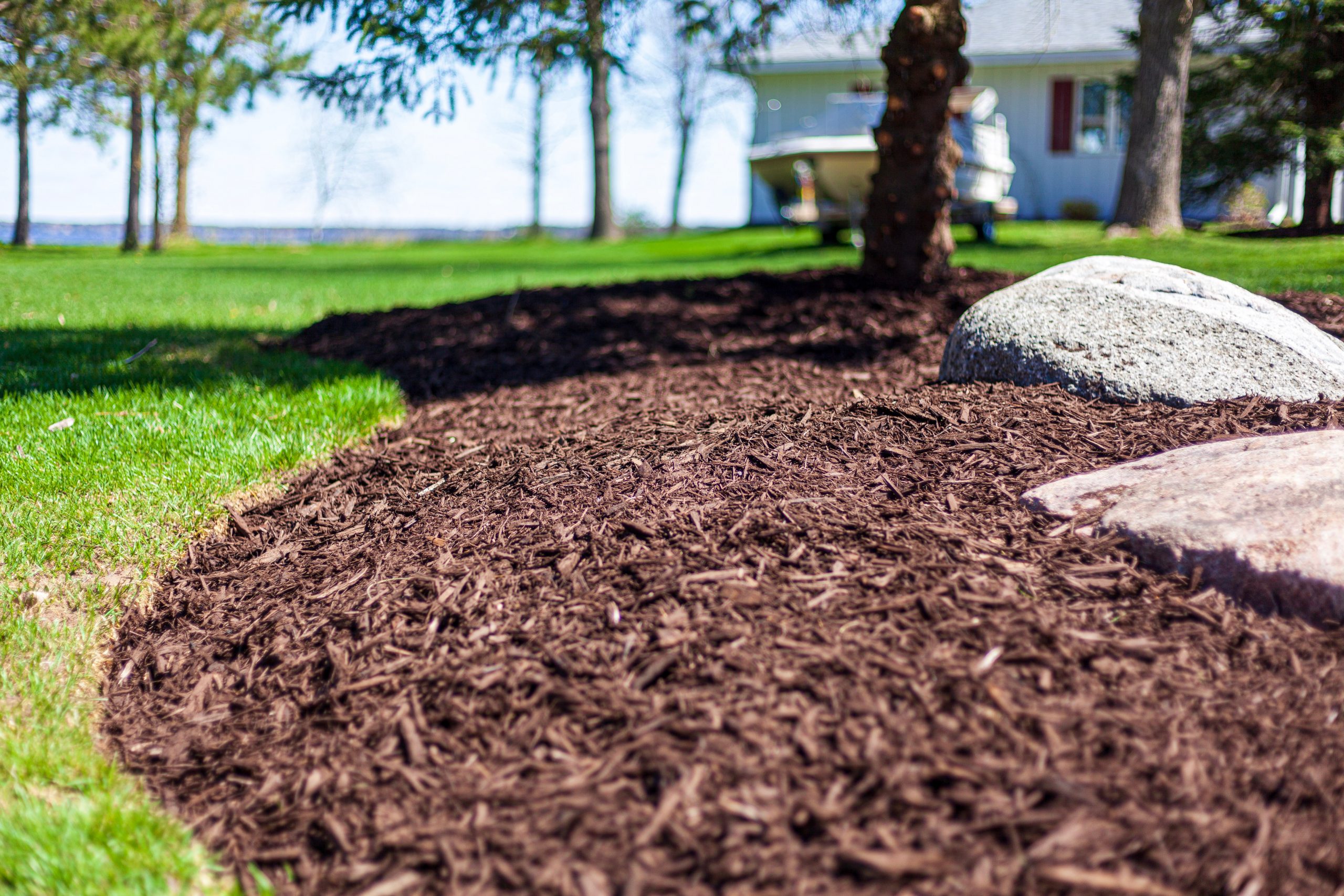
Brown mulch tends to blend more naturally with the surrounding soil and landscaping, creating a softer and more traditional appearance.
When homeowners compare the two, they’re often deciding which color fits their yard best rather than which one performs better.
Is Colored Mulch Bad for Plants?
Dyed mulch is a popular choice for homeowners who want long-lasting color in their landscape beds. Black and brown mulch, in particular, can help garden areas look more defined and polished.
A common concern is whether dyed mulch affects plant health. In most cases, the answer is no. Commercial colored mulch typically uses water-based dyes designed for outdoor landscaping.
What matters most is the quality of the material itself. Mulch produced from clean wood sources and consistent manufacturing processes helps protect plant roots while maintaining its color throughout the season.
When sourced from reputable suppliers, colored mulch can offer both visual appeal and reliable performance in landscape beds.
Inorganic Mulch: Durable Ground Cover
Inorganic mulch materials focus on durability rather than soil improvement.
Common options include:
- Rubber mulch
- Decorative gravel
- Crushed stone
These materials do not decompose, so they require less frequent replacement. Because of this durability, they are often used in playground areas, walkways, or decorative landscaping.
For planting beds where soil health matters, organic mulch usually remains the better choice.
Mulch Types Pros and Cons
Looking at mulch types pros and cons helps clarify which material works best for your landscape goals.
Organic mulch advantages
- Improves soil health
- Retains moisture in garden beds
- Supports plant growth
- Natural appearance
Organic mulch drawbacks
- Requires periodic replenishment
- Color may fade over time
Inorganic mulch advantages
- Long-lasting coverage
- Minimal replacement needed
- Effective weed suppression
Inorganic mulch drawbacks
- Does not improve soil quality
- Can retain heat in sunny areas
For most residential gardens, organic mulch offers the best balance of appearance, plant health, and value.
What Mulch Is Best for Your Yard?
The best mulch for your yard depends on how the space is used and what you want your landscape to achieve.
For garden beds, trees, and shrubs, organic materials such as hardwood or pine bark often work best. These mulches protect plant roots, help the soil retain moisture, and gradually break down to improve soil quality. Inorganic materials, on the other hand, are better suited for areas where durability matters most, such as pathways, playground spaces, or decorative ground cover.
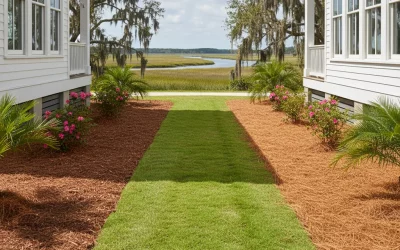
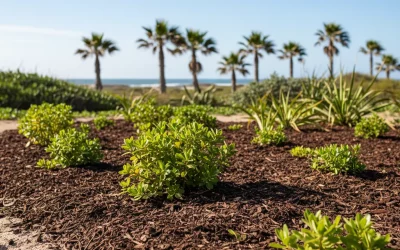
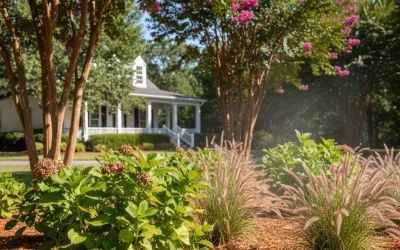
If you’re still deciding between materials, it can help to see how different mulch options look once installed. Photos of real landscapes make it easier to compare color, texture, and coverage before choosing what fits your yard best.
At Bella Mulch, we help homeowners sort through the different types of mulch and find the right material for their landscape. Our team proudly supplies mulch in Myrtle Beach, SC and surrounding communities, making it easy to order quality mulch and have it delivered straight to your property.