
Mulching for Weed Control: Strategies for a Weed-Free Garden
Mulching is a tried-and-true gardening technique for multiple purposes, from moisture retention to soil temperature regulation. However, one of its most significant benefits is its ability to control and suppress weed growth.
In this blog post, we’ll explore various strategies for using mulch to prevent weeds, discuss the best mulch for weed control, and provide practical tips on how to stop weeds from growing through mulch.
Understanding Mulch and Its Benefits
Mulch is a material spread on the soil to help plants and keep weeds down. There are two kinds: organic and inorganic. Organic mulch includes wood chips, straw, grass clippings, and compost. Inorganic mulch includes gravel, landscape fabric, and rubber mulch.
Mulch offers several benefits:
- Moisture Retention: Helps the soil retain water, reducing the need for frequent watering.
- Soil Health Improvement: Organic mulch decomposes and enriches the soil with nutrients.
- Weed Suppression: A crucial benefit of mulch is its ability to prevent weeds from germinating by blocking sunlight.
Mulch creates a barrier that stops weed seeds from sprouting, making it super useful for keeping your garden weed-free.
Best Mulch for Weed Control
When considering the best mulch for weed control, choosing the right type for your garden needs is essential.
Organic Mulch
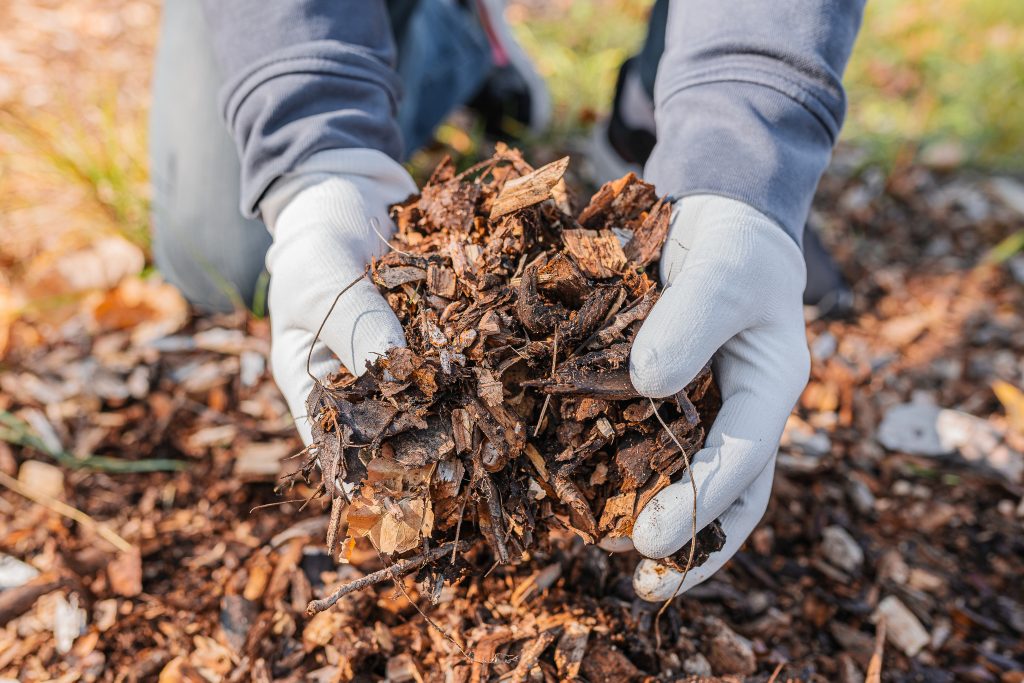
- Wood Chips: Long-lasting and excellent for perennial beds.
- Straw: Ideal for vegetable gardens and easy to apply.
- Grass Clippings: Readily available and great for quick coverage.
- Compost: Provides nutrients but may require frequent replenishing.
Inorganic Mulch
- Gravel: Durable and ideal for paths and decorative areas.
- Landscape Fabric: Effective under other mulches for extra weed suppression.
- Rubber Mulch: Long-lasting and good for playgrounds or paths.
Each type of mulch has its perks. Organic mulches help the soil as it decomposes, while inorganic ones last longer and need less upkeep. (In this blog we consider organic mulch the best way to control weeds).
How to Apply Mulch to Suppress Weeds
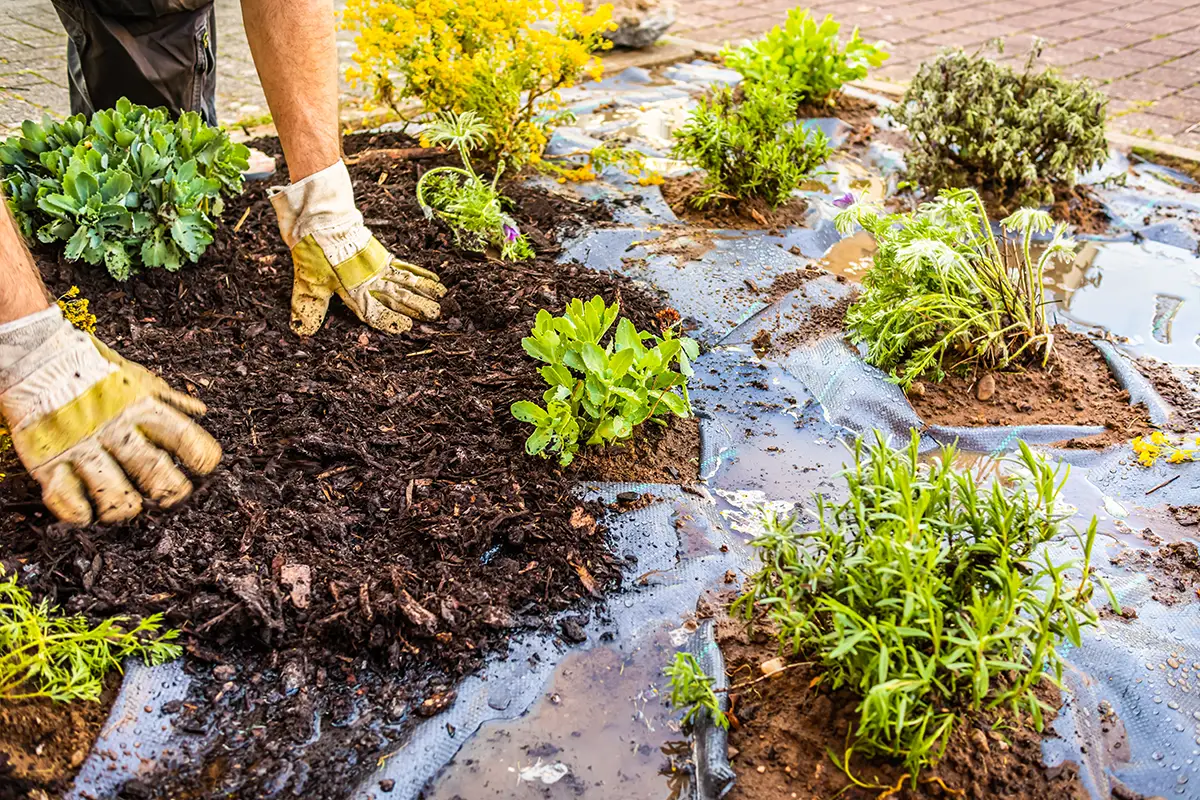
Applying mulch correctly can make all the difference in how to stop weeds from growing through mulch. Follow these steps for effective mulching:
- Clear Existing Weeds: Remove any existing weeds to start with a clean slate.
- Prepare the Soil: Loosen the soil to allow for better root growth.
- Thickness: Apply a 2-4 inch layer of mulch. Too little won’t suppress weeds; too much can suffocate plants.
- Coverage: Ensure complete coverage around plants without piling mulch against the stems.
- Maintenance: Replenish mulch once or twice a year and check for weed breakthroughs.
Don’t use too much mulch, or your plants’ roots could rot. Keep up with regular maintenance to keep your garden healthy and free of weeds.
Embrace a Weed-Free Garden Today
Mulching is a great trick for gardeners, especially if you want to keep weeds away. Pick the right mulch and spread it properly; you’ll have fewer weeds and a healthier, more vibrant garden.
Bella Mulch offers a range of premium mulching products designed to meet your specific gardening needs. Embrace these mulching strategies and take the first step towards a more beautiful, weed-free garden today.