
When spring storms drench your beds and summer heat bakes the soil, mulch does the heavy lifting—suppressing weeds, locking in moisture, and brightening curb appeal. Yet even the best layer doesn’t last forever. Color fades, texture breaks down, and weeds creep back, leaving you wondering when to replace mulch without wasting time or money.
In this guide, you’ll learn how Southern weather shortens mulch lifespan, why timing matters as much as thickness, and the five-step routine that keeps beds thriving from Charleston to Savannah. Stick around to discover practical cues, seasonal checkpoints, and a simple schedule you can follow year after year.
Reading the Signs: Is Your Mulch Past Its Prime?
Moisture, UV rays, and relentless humidity break organic mulch into smaller particles. As it decomposes, gaps form that allow light to reach dormant weed seeds and let water evaporate faster. Discolored or matted mulch also sheds rain instead of absorbing it. Check depth with a ruler; anything under two inches means nutrients and insulation are fading fast. Noticing mushrooms or sour odors? Those are nature’s reminders that it’s renewal time.
Five Steps to Smart Southern Mulch Refreshing
Refreshing mulch isn’t guesswork; it’s a rhythm tied to our climate. Follow these five steps to master your seasonal mulch maintenance:
1. Time Your First Application
Aim for early spring, after the last frost but before weeds wake up. This is the best time to mulch because cool soil locks in moisture, and fresh color sets a clean stage for new growth.
2. Perform a Mid-Season Depth Check
By mid-July, grab that ruler again. In sandy coastal soils or beds exposed to heavy rain, mulch depth can drop by an inch. Top off lightly rather than piling on; three inches total is a sweet spot for root health and insect deterrence.
3. Remove Debris Before Adding New Layers
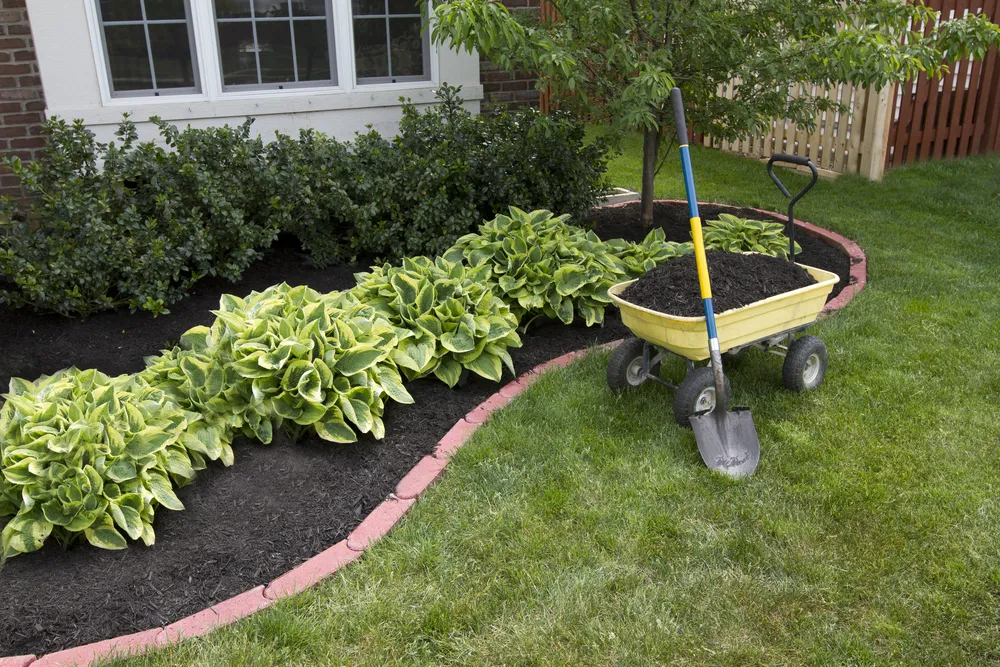
Leaves, sticks, and compacted chips create a barrier between old and new mulch. Rake off loose material and fluff what remains. This simple prep step prevents mats that invite pests and disease while ensuring you’re consciously replacing old mulch.
4. Match Product to Exposure
Hardwood or pine nuggets shrug off torrential Southern downpours better than fine shredded blends. In full-sun islands, dyed mulch holds color longer; under live oaks, natural brown blends hide leaf litter. Choosing the right type extends mulch lifespan, saving both time and budget.
5. Plan a Fall Touch-Up
Early October touch-ups restore color before holiday curb-appeal season and insulate roots for the occasional frost. A light one-inch addition usually carries beds through winter, setting you up for a lighter lift next spring.
Get Mulch Solutions for Southern Beds with Bella Mulch
At Bella Mulch, we’ve spent years working alongside homeowners, gardeners, and landscapers across South Carolina and Georgia, so we know how the region’s heat, salt air, and clay soils challenge even the most diligent gardener.
We offer comprehensive residential mulch replacement services where we professionally remove old material and replace it with mulch that matches your microclimate. Our crews arrive with blower trucks that finish the job in hours, not days. Contact us to get started and see how effortlessly we can keep your landscape looking its best across the Southeast.