
Some landscape upgrades are obvious. New plants, fresh edging, maybe a few decorative features. Others are quieter, but just as important. Mulch falls into that second category.
The right mulch doesn’t just improve how your yard looks. It affects how your soil holds moisture, how plants grow, and how often you need to maintain your landscape. That’s where red cedar mulch stands out. It offers a distinct look, a noticeable scent, and practical benefits that go beyond appearance.
If you’re considering a change in your landscape beds, understanding how cedar mulch works can help you decide where it fits best.
What Makes Red Cedar Mulch Different?
Not all mulch performs the same way. Red cedar mulch is made from cedar wood, which naturally contains oils that help resist insects and slow down decomposition.
That combination gives it a few advantages right away. It tends to last longer than many other organic mulches, and it keeps its structure even after exposure to weather.
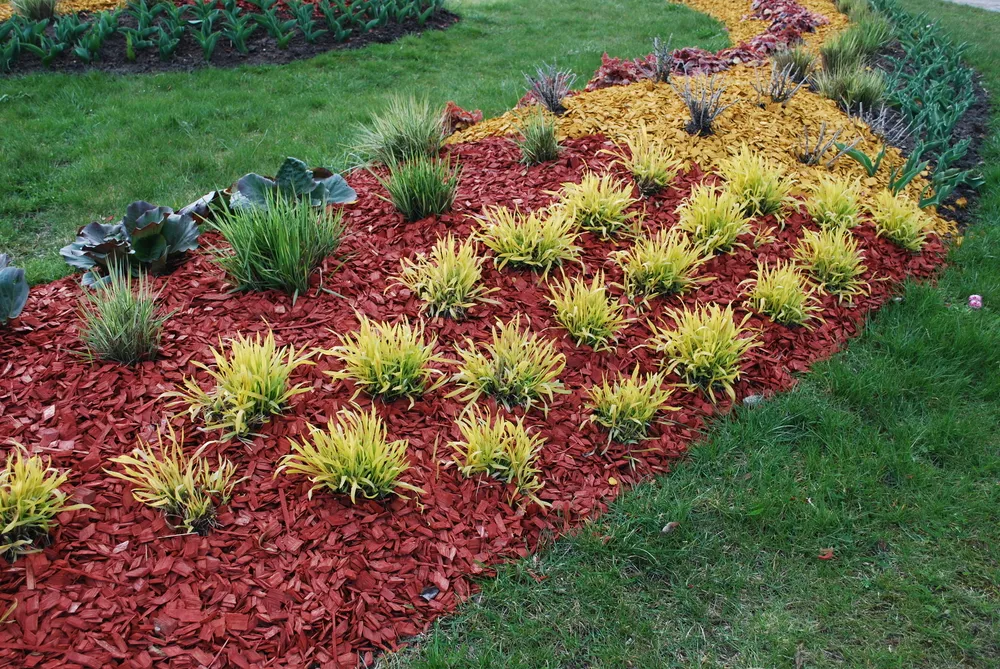
The color also plays a role. The reddish tone adds warmth to landscape beds and pairs well with greenery, making it a popular choice for decorative areas.
Key Benefits of Red Cedar Mulch
Choosing mulch often comes down to how it performs over time and how well it fits your landscape goals. With cedar, the benefits go beyond appearance and offer practical advantages that can make ongoing maintenance easier.
Longer lifespan Cedar breaks down more slowly than many other organic materials, which means fewer refreshes throughout the year. If you’re trying to reduce how often you need to reapply mulch, this can make a noticeable difference over time.
Natural insect resistance The oils found in cedar help deter certain insects, making it a useful option around planting areas and garden beds. While it won’t eliminate pests entirely, it can help create a less inviting environment for them.
Moisture retention Like other mulches, cedar helps soil retain water, especially during warmer months. This can support more consistent soil conditions and reduce how often you need to water your plants.
Temperature regulation Cedar mulch acts as a barrier between the soil and the elements. It helps keep soil cooler during hot weather and provides a layer of insulation when temperatures drop, which can benefit plant roots.
Distinct appearance The color holds well and gives garden beds a clean, defined look. Over time, it fades more gradually than some other mulches, helping your landscape maintain a polished appearance longer.
These features make landscaping with cedar mulch a strong option if you’re looking for something that balances durability, plant support, and visual appeal without requiring constant upkeep.
Cedar Chips vs Cedar Mulch
When comparing cedar chips vs cedar mulch, the difference comes down to size and how the material is processed.
Cedar mulch is typically shredded more finely. It spreads evenly and creates a smoother, more uniform layer across garden beds.
Cedar chips for mulch, on the other hand, are larger and more irregular. They tend to last longer but may not create the same finished look.
For most residential landscapes, shredded cedar mulch works better in planting beds, while larger chips are often used in pathways or less visible areas.
Where Cedar Mulch Works Best
Not every mulch works for every part of a yard. Cedar tends to perform best in areas where both appearance and durability matter.
It’s commonly used in:
- Flower beds and front yard landscaping
- Around shrubs and trees
- Decorative garden borders
In these areas, cedar provides a balance of long-lasting coverage and visual appeal.
When comparing materials, some homeowners also look at alternatives like stone mulch or mulch pine straw. Stone offers durability but doesn’t improve soil, while pine straw breaks down faster and requires more frequent replacement.
Cedar sits in the middle, offering both longevity and soil benefits.
Installation Tips for Better Results
Getting the most out of cedar mulch comes down to how it’s installed. A few simple steps can make a noticeable difference in how it performs.
Start with a clean surface
Remove old mulch, weeds, and debris before adding a new layer. This helps prevent buildup and improves airflow to the soil.
Apply the right depth
Spread mulch about two to three inches deep. This level helps retain moisture without blocking water from reaching the soil.
Keep space around plant bases
Avoid piling mulch directly against plant stems or tree trunks. Leaving a small gap helps prevent moisture buildup and protects the plant.
Level the surface
Even distribution helps the mulch stay in place and gives your landscape a cleaner, more finished look.
With proper installation, cedar mulch can hold its structure and appearance throughout the season.
Bella Mulch Makes It Easy to Upgrade Your Landscape
Choosing the right mulch is one part of the process. Getting it delivered and ready to use is another.
At Bella Mulch, we focus on making that process simple. We provide high-quality mulch, including options suited for landscaping with cedar mulch, and deliver it directly to your property so you can skip the extra steps.
Whether you’re refreshing garden beds or updating your entire yard, you get materials you can rely on and a process that keeps things straightforward. Order online. We deliver. You spread.