
Cedar vs Pine Mulch: Pros, Cons, and Key Differences
Which mulch lasts longer? Pine or cedar mulch? And does it even matter which one you use around your plants? These are common questions that pop up when you’re staring at a pile of options at the garden center or online.
In this post, you’ll learn the key differences between cedar vs. pine mulch, what sets them apart, and when to use each one. We’ll also walk through the real pine and cedar mulch pros and cons so you can feel confident laying down the right material for your space. Let’s get started!
What Makes Cedar Mulch Stand Out?
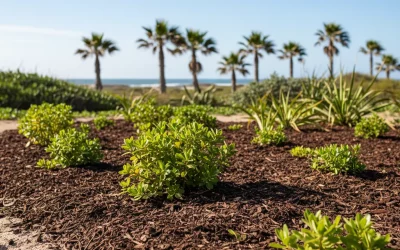
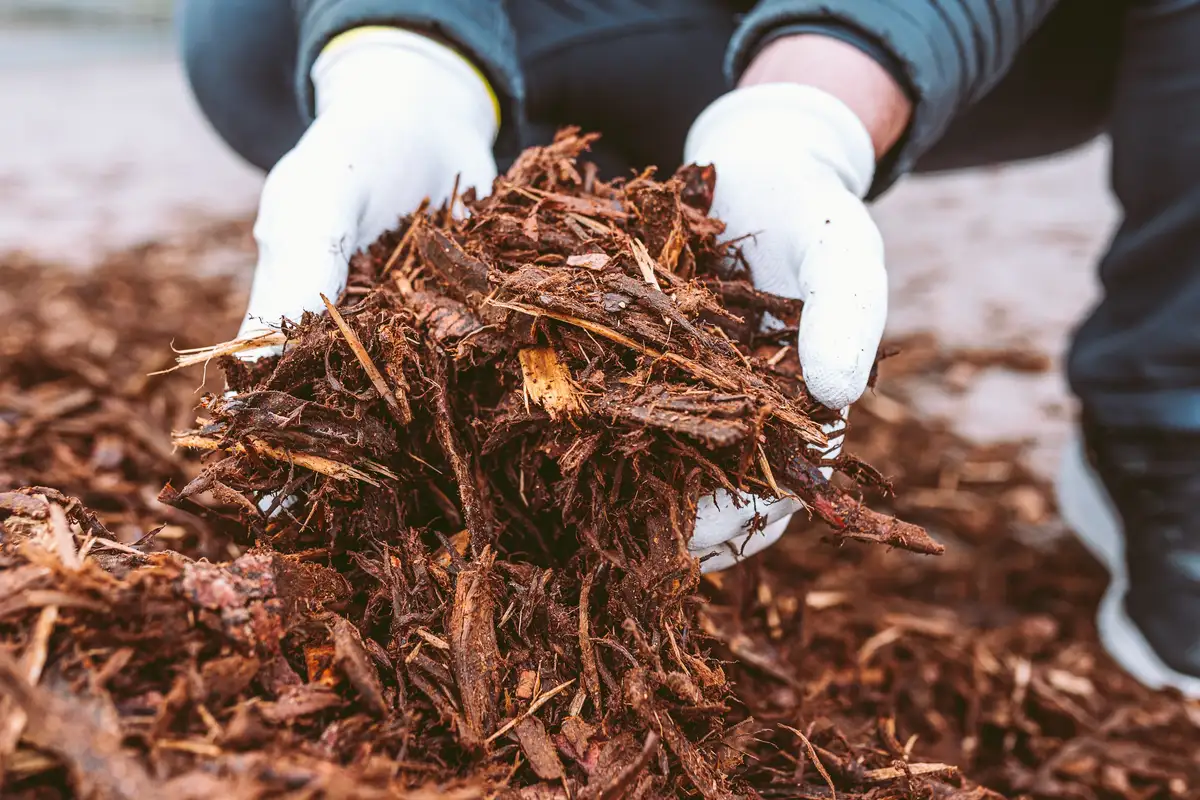
Cedar mulch is made from shredded bark or wood chips of cedar trees. It’s known for its rich color, slow breakdown, and fresh scent. Many people wonder—does cedar mulch repel bugs? The answer is yes, to some extent. One of the benefits of cedar mulch is its natural oils that act as a mild insect repellent, making it ideal for spots where pests are a concern.
Pros
- The natural oils in garden cedar chips provide mild protection from pests.
- Long-lasting! It breaks down slower than many other mulch types.
- Offers a pleasant, earthy aroma that freshens garden beds.
Cons
- Cedar mulch can be more expensive than other options.
- It may slightly affect soil pH if over-applied.
- Less suitable for annuals or fast-growing veggies that need frequent soil turnover.
What Sets Pine Mulch Apart?
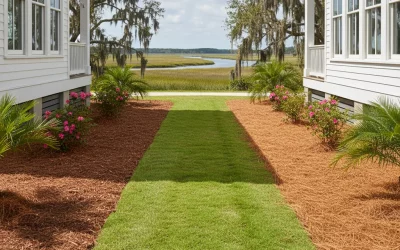
Pine mulch tends to break down faster, which can be a bonus for gardens that need soil improvement over time. When comparing pine vs. cedar mulch, pine wins in price and availability. It’s often made from shredded pine bark or needles, depending on the product.
Pros
- Affordable and widely available.
- Helps enrich the soil as it decomposes.
- Lightweight and easy to spread in large areas, making it better for mulching clay soil.
Cons
- Breaks down quickly, so it needs to be refreshed more often.
- Pine mulch can shift in windy areas or on slopes.
- Less insect resistance compared to cedar.
Pine Mulch Vs. Cedar Mulch: When to Use Each
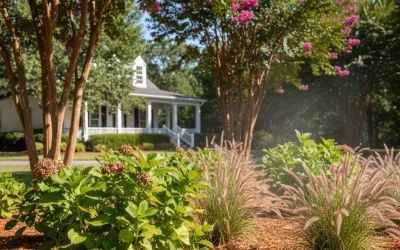
In this final countdown of cedar versus pine mulch, the first is great for ornamental beds or high-traffic areas where looks and longevity matter. It’s also handy if you’re planting perennials or have issues with pests. It pairs well with pathways or borders that don’t need frequent reworking.
Pine mulch works well for active gardens where plants are rotated out seasonally. It’s the better option if you’re building up your soil or want something more budget-friendly. In the pine versus cedar debate, pine is easier to refresh when replacing mulch becomes part of your seasonal routine.
Let Bella Mulch Make Your Next Mulching Choice Easy
At Bella Mulch, we know how important it is to choose wisely your type of mulch. That’s why we offer top-quality mulch types and services along the East Coast from Brunswick, GA, to Wilmington, NC.
Whether you need it for pathways, planters, or around veggies, we make it simple to order mulch online, and we’re happy to help you decide what works best. From mulch for vegetable garden rows to IPEMA-certified playground mulch, we’ve got what you need. Contact us to get started with the product that fits your project.