
Do you know the difference between mulch and compost? Or which one is better for your garden? Both serve different purposes, and knowing when and how to use them can make all the difference in your garden’s health and appearance.
In this blog, we’ll explore the differences between mulch and compost to help you make informed decisions about your garden. Let’s get started!
Mulch Vs. Compost: Understanding the Basics
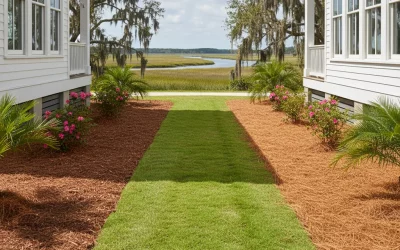
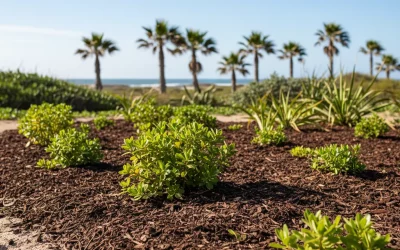
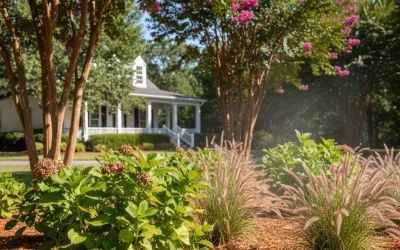
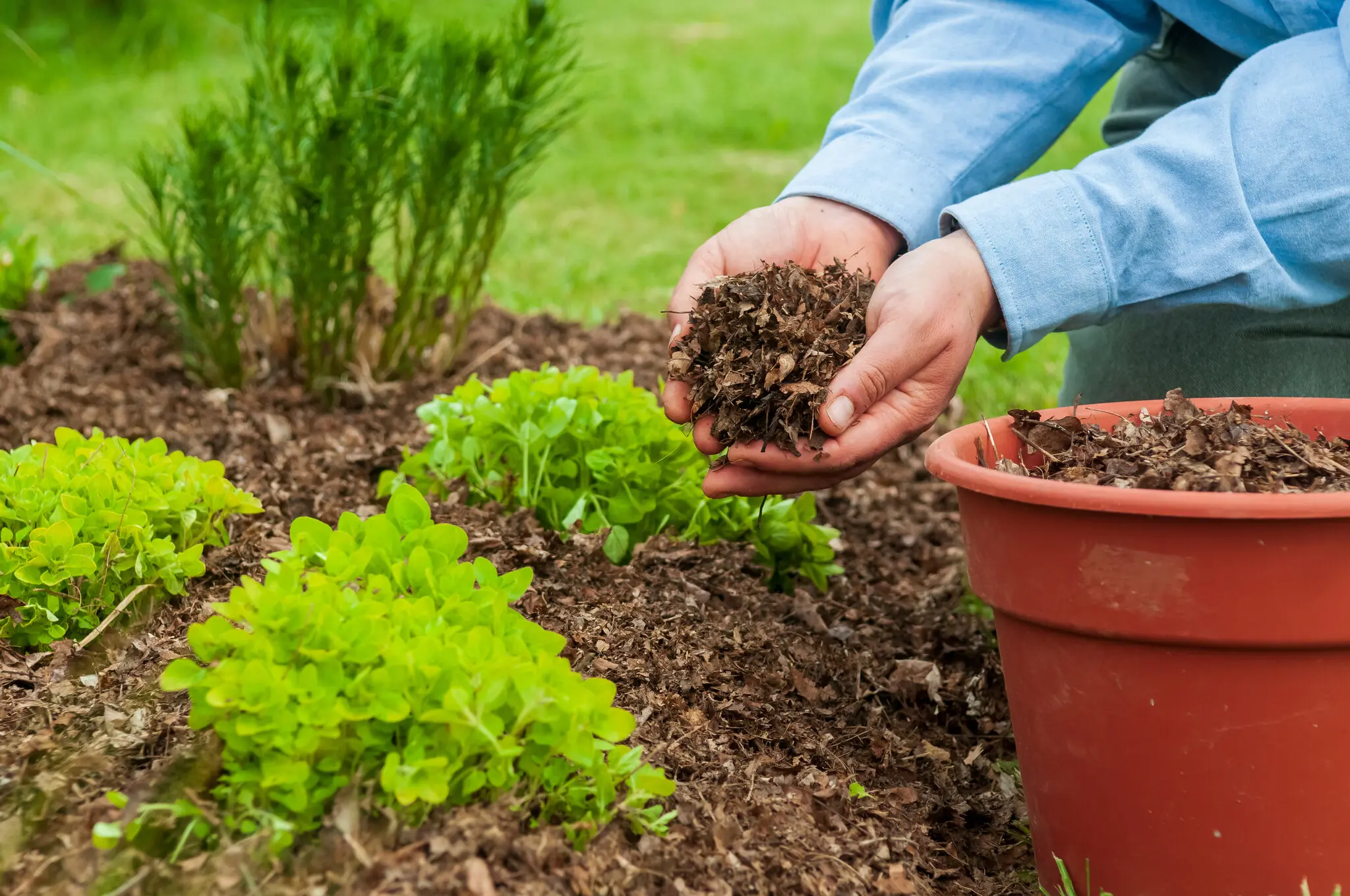
Mulch and compost are organic materials that serve different roles in the garden. Mulch is usually made from bark, wood chips, or straw and spread over the soil surface. It helps retain moisture, suppress weeds, and enhance the garden’s appearance.
On the other hand, compost is decomposed organic matter, rich in nutrients, that is mixed into the soil to improve its quality and fertility. Understanding these differences is key to using each effectively.
When to Use Mulch
Mulch is best used when you want to protect your soil and plants. It is a barrier against extreme temperatures, keeping the soil cool in summer and warm in winter. Mulching also prevents water evaporation, reducing the need for frequent watering. Here is when you should use mulch in your garden:
- To suppress weeds: Mulch forms a barrier that inhibits light, preventing weed growth.
- To retain moisture: Mulching prevents water evaporation and helps keep the soil moist for longer.
- To regulate temperature: With mulch, the soil stays cooler during hot summers and warmer in winters.
When to Use Compost
Compost is to improve your soil’s overall health. It has nutrients that feed beneficial microorganisms in the soil, promoting healthy root growth and stronger plants. Here are some instances where compost comes in handy:
- As a fertilizer, Compost provides essential nutrients, such as nitrogen and phosphorus, to nourish your plants.
- To improve soil structure: Compost loosens compacted soil, allowing for better drainage, aeration, and root growth.
- To balance pH levels: The organic matter in compost can help neutralize acidic or alkaline soils, creating the ideal environment for plant growth.
How to Use Mulch and Compost Together
While mulch and compost serve different purposes, they can further enhance your garden’s health. Here are some ways you can incorporate both into your gardening routine:
- Lay down a layer of compost before applying mulch: This will enrich the soil with nutrients and promote healthy plant growth.
- Use mulch as a protective layer for compost: Mulch can help retain moisture and prevent the compost from drying out too quickly.
- Mix mulch and compost together to create a nutrient-rich planting mix. This is useful for filling raised beds or containers.
Choose the Right Option for Your Garden With Bella Mulch
Learning about the differences between mulch and compost will help you decide which one is best for your garden. Compost is the way to go if your goal is to improve soil nutrition and health. For surface-level protection and aesthetic enhancement, mulch is your best bet.
At Bella Mulch, we offer mulching services that will enrich your soil and enhance the beauty of your landscape. As a mulch provider, we’ll help you select the right option for your garden and provide tips on using it effectively. We also offer mulch delivery services, making it easier for you to get started on your gardening journey. Contact us today!