
Mulch might seem like a small detail in landscaping, but it plays an important role in how a yard looks and performs. A fresh layer helps soil retain moisture, protects plant roots, and gives garden beds a clean, finished appearance.
Dyed mulch has become especially popular because the color lasts longer and creates strong contrast around plants. As more homeowners consider colored mulch for their landscapes, many take a closer look at how it’s made—especially when questions come up like is dyed mulch bad for plants or is mulch dye toxic.
Understanding the materials and production process behind dyed mulch can help clear up much of that confusion.
What Is Dyed Mulch?
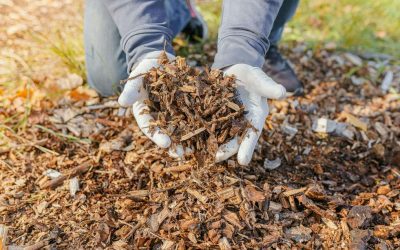
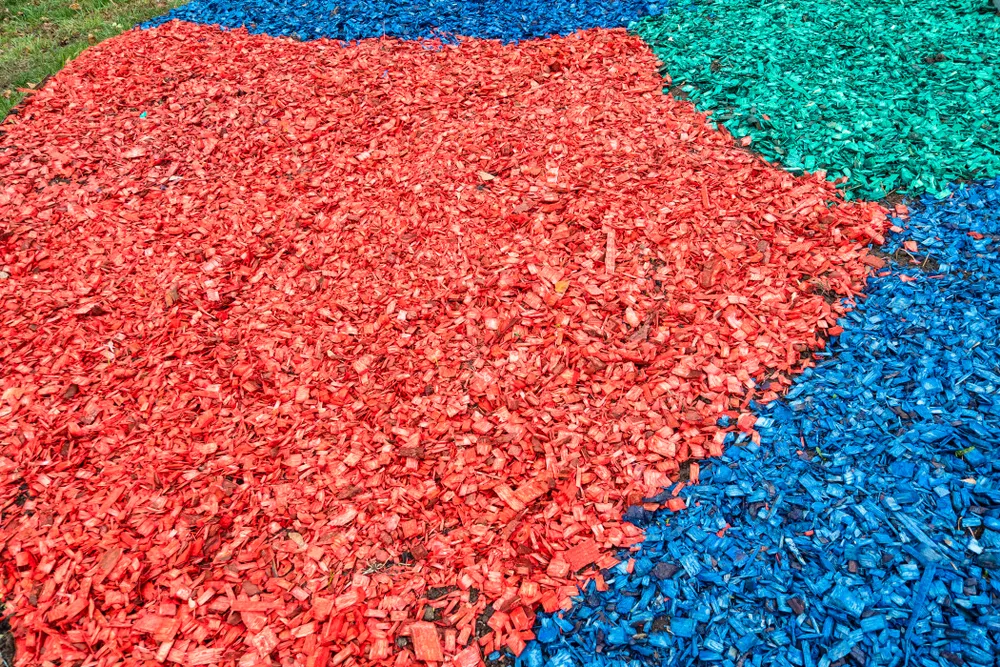
Dyed mulch usually begins as shredded wood or bark that’s processed into landscaping mulch. During production, manufacturers apply landscaping dye so the mulch has a more uniform appearance.
The most common mulch colors include:
Once the dye dries, the mulch holds its color longer than untreated wood mulch. That longer-lasting color is one reason many homeowners choose dyed mulch for decorative landscape beds.
In most cases, dyed mulch performs much like natural mulch. It still helps soil retain moisture, reduces weed growth, and protects plant roots from temperature swings.
How Dyed Mulch Is Produced?
The quality of dyed mulch depends largely on the materials used to produce it.
Most landscaping mulch is made from ground wood materials such as bark, tree trimmings, or recycled wood from lumber processing. These materials are shredded, screened, and then colored during the production process.
Reliable suppliers focus on clean wood sources and consistent manufacturing practices. When mulch is produced this way, it maintains both color consistency and overall quality.
Understanding where mulch comes from often helps answer questions people have about its safety and performance in the landscape.
Is Dyed Mulch Bad for Plants?
When produced from untreated wood and colored with landscaping-grade dyes, dyed mulch generally does not harm plants. The color coating stays on the surface of the mulch pieces and does not interfere with the soil beneath.
As the mulch breaks down, it continues to perform the same basic functions as natural mulch. It helps maintain soil moisture, protects plant roots, and reduces weed growth in garden beds.
The key factor is the source of the wood used to produce the mulch. Clean wood materials tend to support healthier soil conditions.
Is Mulch Dye Toxic?
Yes, especially when mulch is used around plants, trees, or vegetable gardens.
Most mulch dyes are made from iron oxide pigments. These pigments are commonly used in landscaping products and construction materials because they remain stable outdoors.
During production, the dye bonds to the outer surface of the wood fibers. Over time, sunlight and rain gradually fade the color, but the mulch continues to function like natural wood mulch in the landscape.
As with many landscaping materials, the reliability of the supplier plays an important role in ensuring consistent product quality.
Pros and Cons of Black Mulch
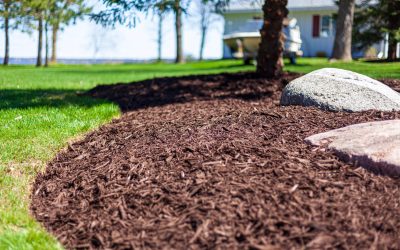
Black mulch remains one of the most widely used dyed mulch options in residential landscaping. Looking at the pros and cons of black mulch can help determine whether it fits your yard.
Advantages
- Creates strong contrast with plants and flowers
- Keeps landscape beds looking uniform
- Maintains color longer than natural mulch
Considerations
- Dark color absorbs more heat in direct sunlight
- Color may fade gradually over time
- Product quality can vary depending on the mulch source
For decorative landscape beds, many homeowners choose black mulch because it highlights surrounding plants and gives garden spaces a finished appearance.
Rubber Mulch Compared With Wood Mulch
Rubber mulch sometimes appears in landscaping discussions because it offers long-lasting ground coverage. It’s made from recycled tires and is commonly used in playgrounds and high-traffic areas.
While researching rubber mulch, some homeowners eventually ask whether rubber mulch causes cancer. Current research has not established a clear connection between rubber mulch and cancer risk in residential landscapes.
That said, rubber mulch behaves very differently from wood mulch. Unlike natural mulch, rubber mulch does not break down and does not improve soil quality.
For planting beds and gardens, wood mulch is often preferred because it supports soil health as it decomposes.
Choosing the Right Mulch for Your Landscape
The best mulch for your yard depends largely on how your landscape is used.
Natural wood mulch improves soil over time and supports plant growth as it breaks down. Dyed mulch offers similar benefits while maintaining deeper color throughout the season.
Other materials, such as rubber mulch, focus more on durability than soil improvement.
Understanding how these materials function in the landscape makes it easier to choose the mulch that fits your yard.
Bella Mulch Helps You Choose the Right Mulch
Choosing the right mulch often starts with selecting a reliable supplier. At Bella Mulch, we focus on providing consistent, high-quality mulch that helps homeowners maintain healthy and attractive landscape beds.
Our team proudly supplies mulch in Myrtle Beach, SC and surrounding communities, making it easy to order the right materials for your yard.
Whether you’re refreshing garden beds or planning a full landscape update, we’re here to help you get the mulch that fits your project.