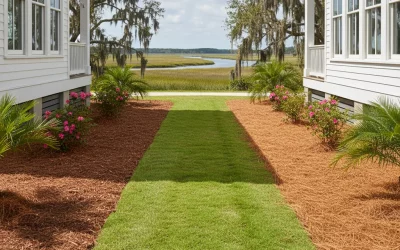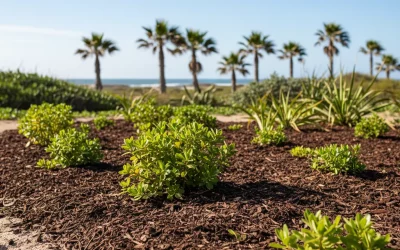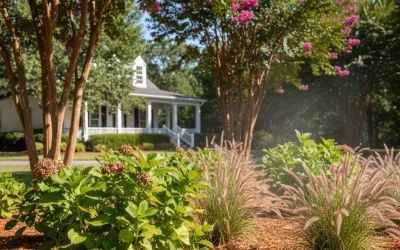

A fresh layer of mulch can instantly improve the look of your landscape beds. It helps the soil retain moisture, keeps weeds under control, and gives planting areas a clean, finished appearance.
Before adding new mulch, though, it helps to deal with what’s already there. Over time, mulch breaks down, fades in color, and gradually turns into soil. That’s a natural process, but it also means your landscape beds may need a refresh.
If you’re planning to re mulch your garden beds, the first step is figuring out how to handle the old material. Instead of sending it straight to the trash, there are several practical ways to reuse it around your yard.
Here are five eco-friendly options that work well when deciding how to get rid of old mulch.
1. Mix It Into the Soil
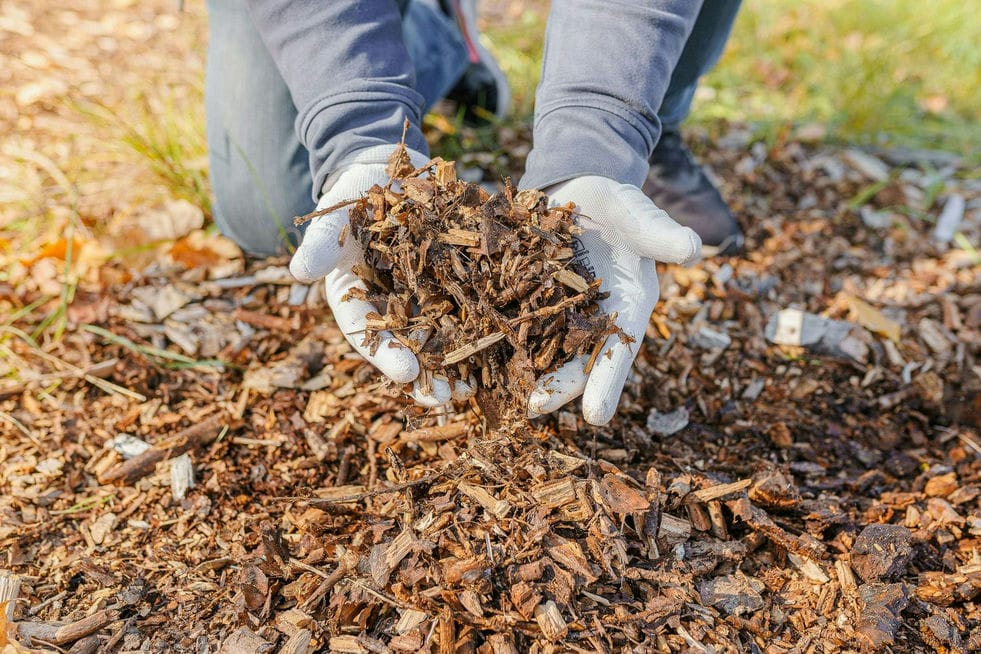
As mulch decomposes, it turns into organic matter that can improve soil structure.
Instead of removing every bit of it, many gardeners rake the older mulch into the top layer of soil. This works well in planting beds, vegetable gardens, or areas where the soil could benefit from extra organic material.
Lightly mixing the mulch into the soil also prepares the bed for a fresh layer when you’re ready to reapply mulch.
2. Move It to Less Visible Areas
Mulch that has faded or partially broken down can still be useful in other parts of the yard.
Many homeowners relocate older mulch to places such as:
- Around tree bases
- Along natural landscape borders
- Behind shrubs or hedges
- Utility areas in the yard
These spots still benefit from weed suppression and moisture retention, even if the mulch no longer looks fresh enough for front garden beds.
3. Add It to Your Compost Pile
Old mulch can also become a helpful addition to compost.
Wood-based mulch provides carbon material that balances greener compost items like grass clippings and food scraps. As it continues breaking down, it helps create rich compost that can later be used in planting beds.
For anyone wondering what to do with old mulch, composting is one of the most environmentally friendly options.
4. Use It for Garden Paths
Another practical use for old mulch is creating walking paths in the garden.
Spreading older mulch along informal pathways can help reduce mud, suppress weeds, and create a softer walking surface.
This works especially well for:
- Vegetable garden paths
- Areas between raised beds
- Small garden trails
Even mulch that has lost its color can still provide good ground coverage in these spaces.
5. Remove Excess Mulch Before Adding a New Layer
Sometimes the best approach is clearing away part of the old mulch before adding more. When mulch builds up year after year, the layer can become too thick. This can limit water flow to the soil and create compacted areas around plant roots.
If you’re planning to refresh your landscape beds, start by raking away excess material. And for those wondering how to remove mulch, the process is straightforward:
- Rake the mulch into small piles
- Scoop it into a wheelbarrow or garden cart
- Move it to another area of the yard for reuse
Once the beds are cleared and the soil is loosened, they’re ready for a new layer.
Bella Mulch Makes It Easy to Refresh Your Landscape
Once you’ve cleared or reused the old material, adding fresh mulch helps restore moisture protection, weed control, and a clean look across your landscape beds.
At Bella Mulch, we help homeowners simplify the process with dependable mulch products and convenient delivery. Our team proudly supplies mulch in South Carolina & Georgia, making it easy to get the materials you need for your next landscaping update.
If you’re planning to refresh your yard and reapply mulch this season, we’re here to help you get started.