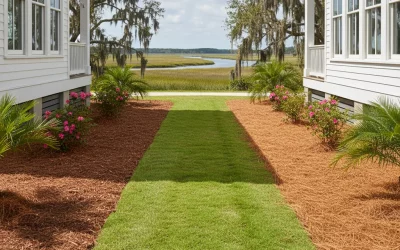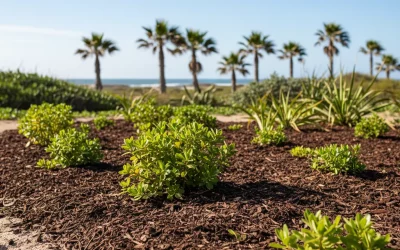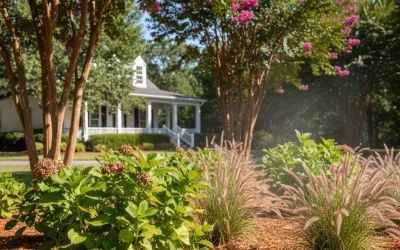

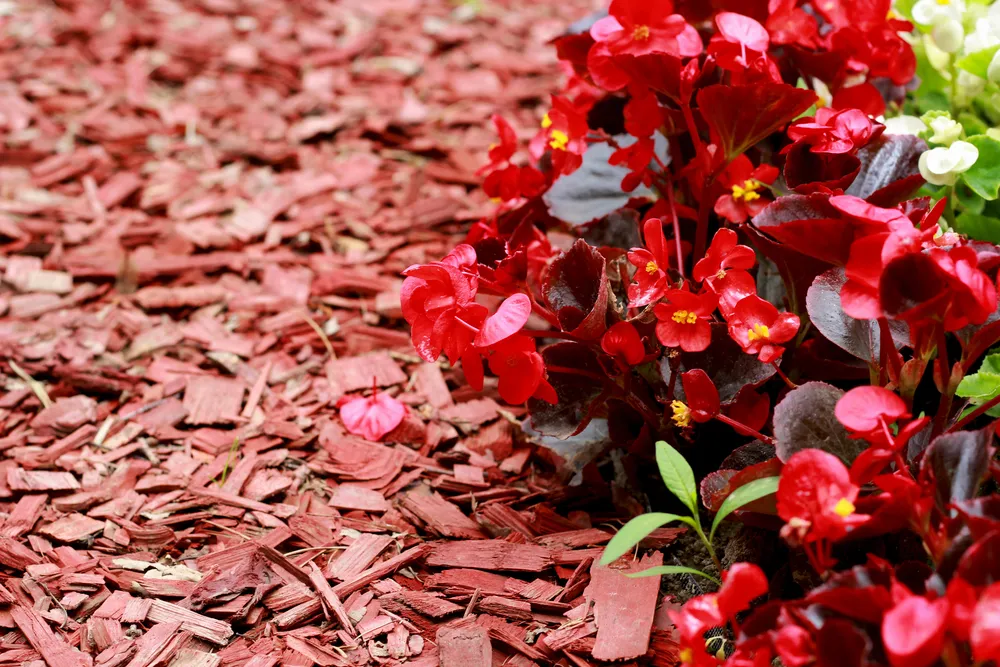
When you refresh your landscape beds, the mulch you choose affects more than just appearance. It influences moisture retention, weed control, pest activity, and long-term maintenance. In the Southeast, where heat and humidity are constant factors, selecting the right material makes a noticeable difference.
If you’re considering a cedar mulch landscape, you’re probably drawn to its rich color, natural scent, and reputation for durability. Among the many types of yard mulch, cedar stands out, but it’s important to understand both the advantages and the trade-offs before making your final decision. Here’s what you need to know.
The Benefits of a Cedar Mulch Landscape
1. Natural Pest Resistance
One of the biggest reasons homeowners choose cedar is its aroma. Cedar contains natural oils that help deter certain insects. A common question is: do termites like cedar mulch?
While no mulch can guarantee zero termite activity, cedar is generally less attractive to termites compared to softer woods. That natural resistance makes it a smart option if pest control is a concern.
If you’re researching the best mulch to prevent weeds and bugs, cedar often ranks high when installed at the proper depth.
2. Long-Lasting Durability
Cedar breaks down more slowly than many other organic mulches. In comparisons like hardwood mulch vs pine bark, cedar tends to hold its shape longer and resist compaction better.
That means fewer top-offs and more consistent coverage throughout the season, especially in high-traffic or high-visibility areas.
3. Strong Visual Appeal
Cedar starts with warm reddish or golden tones that brighten beds around foundations, trees, and walkways. Over time, it naturally fades to a soft gray-brown.
If you’ve ever wondered what is black mulch, it’s typically dyed hardwood mulch used for a bold, dark appearance. When comparing cedar mulch vs black mulch, cedar offers a more natural look without added colorants.
Potential Drawbacks to Consider
Cedar is a premium mulch, but it’s not the right fit for every project.
1. Higher Cost
Because cedar is durable and often regionally sourced, it typically costs more than pine or standard hardwood mulch. When evaluating what is good mulch, you’ll need to balance budget with longevity and performance.
2. Color Fading
Cedar’s natural tones will fade with sun exposure. This doesn’t affect performance, but it does change the look over time.
If maintaining a darker appearance is important, you may want to compare cedar mulch vs black mulch more closely.
3. Soil Considerations
Some homeowners worry about acidity. While cedar can slightly influence surface soil as it decomposes, it generally does not cause significant soil issues when applied properly at 2–3 inches deep.
Proper Application Techniques for Best Results
Even the best mulch won’t perform well if it’s installed incorrectly.
Apply the Right Depth
For most residential beds, 2–3 inches is ideal. Thinner layers won’t suppress weeds effectively. Thicker layers can trap moisture and restrict airflow.
Correct depth helps support weed control and reinforces why cedar is often considered among the best mulch to prevent weeds and bugs.
Use Defined Edging
Clean bed edges keep mulch in place and create a polished finish. This is especially helpful if you’re learning how to keep mulch in place on slope or dealing with heavy seasonal rains in SC and GA.
Maintain Annually
Even durable mulch benefits from light turning and occasional refreshing. You don’t always need a full replacement, but proper upkeep keeps your cedar mulch landscape looking sharp.
If you’re unsure about buildup, it’s smart to review whether you remove old mulch before adding a fresh layer to avoid compaction.
Cedar vs. Pine vs. Hardwood: What’s the Difference?
Choosing between mulches can feel overwhelming. Here’s a simple breakdown:
- Pine mulch vs cedar: Pine is usually more affordable and lighter in texture. Cedar lasts longer and offers natural pest-repellent qualities.
- Hardwood mulch vs pine bark: Hardwood is common and budget-friendly. Pine bark drains well. Cedar typically provides better longevity.
- Is pine straw good for mulch: Pine straw works well around trees and in naturalized areas but may shift in heavy rain.
- Is hemlock mulch good: Hemlocks provide a rich color similar to cedar but may decompose more quickly depending on climate.
When reviewing different types of yard mulch, your priorities, appearance, durability, pest resistance, and maintenance, should guide your choice.
Is Cedar the Right Mulch for You?
If you want natural pest resistance, long-lasting coverage, and a warm, clean appearance, cedar is a strong contender. A well-installed cedar mulch landscape not only improves curb appeal but also supports soil moisture control and weed suppression.
The key is quality material and proper installation. When you’re ready to refresh your beds, Bella Mulch makes it simple to get high-quality mulch delivered straight to your property. You can calculate coverage, explore options, and order online at https://bellamulch.com/shop/.
The right mulch doesn’t just look good—it works hard for your landscape all season long.